
Across Latin America, governments are accelerating spending on highways, bridges, ports, energy corridors, social housing, and mining-related infrastructure. This surge in capital formation is permanently reshaping demand for construction aggregates. In this environment, the strategic deployment of a stone crusher plant(planta trituradora de piedra) or a mobile stone crusher is no longer a short-term operational decision, but a long-term capital investment choice that directly influences project margins, supply chain resilience, and corporate competitiveness.
Infrastructure Growth as a Structural Driver
Regional Spending Momentum
Brazil’s federal logistics investment plan, Mexico’s nearshoring-driven industrial parks, and Peru’s mining corridor upgrades all rely heavily on local aggregate supply. For every kilometer of highway or railway, tens of thousands of tons of crushed stone are required. As a result, each installed rock crusher becomes a strategic production node within regional infrastructure networks rather than a peripheral jobsite tool.
Public–Private Partnerships and Long Project Cycles
Modern infrastructure programs in Latin America are increasingly delivered under PPP frameworks with 10–25 year concession periods. Contractors are expected to ensure long-term operational reliability and cost transparency. Under this model, a stone crusher plant evolves from a one-time expense into a core productive asset whose output consistency directly affects concession profitability.
Asset Economics of a Stone Crusher Plant
CapEx versus Lifetime Output
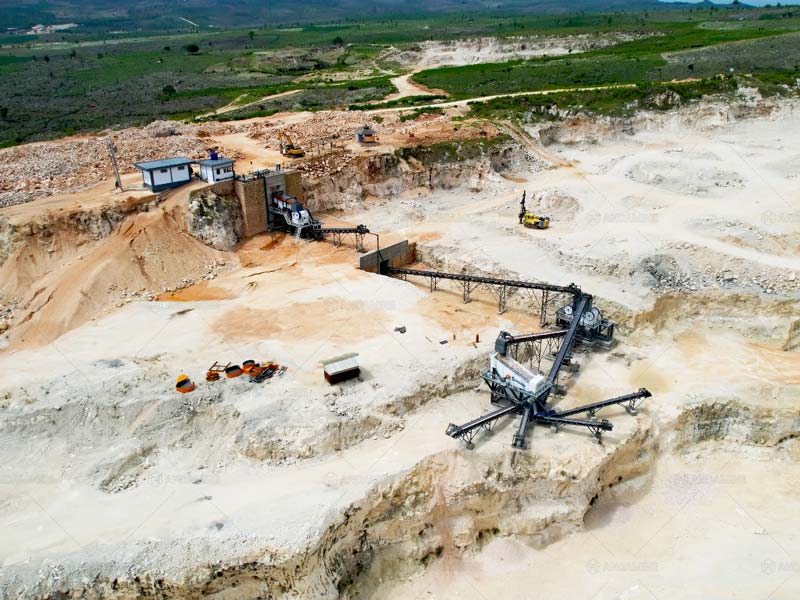
Decision-makers often focus on the upfront price of stone crusher(precio de chancadora de piedra) equipment, yet this view obscures the fundamental economics of aggregate production. A medium-capacity crushing line running at 200 tph can process more than three million tons of material over a decade. When capital expenditure is amortized across this output volume, unit production cost falls dramatically, frequently below the market purchase price of outsourced aggregates.
Opex Control and Localization of Supply
Owning the crushing system enables tight control over fuel consumption, spare parts strategy, and labor allocation. In mountainous regions of Chile or landlocked project sites in Bolivia, transporting finished aggregates can exceed 30% of total material cost. A localized rock crusher removes this logistical premium and insulates project budgets from fuel price volatility.
Mobile Stone Crusher as a Capital Flexibility Tool
Project-to-Project Redeployment
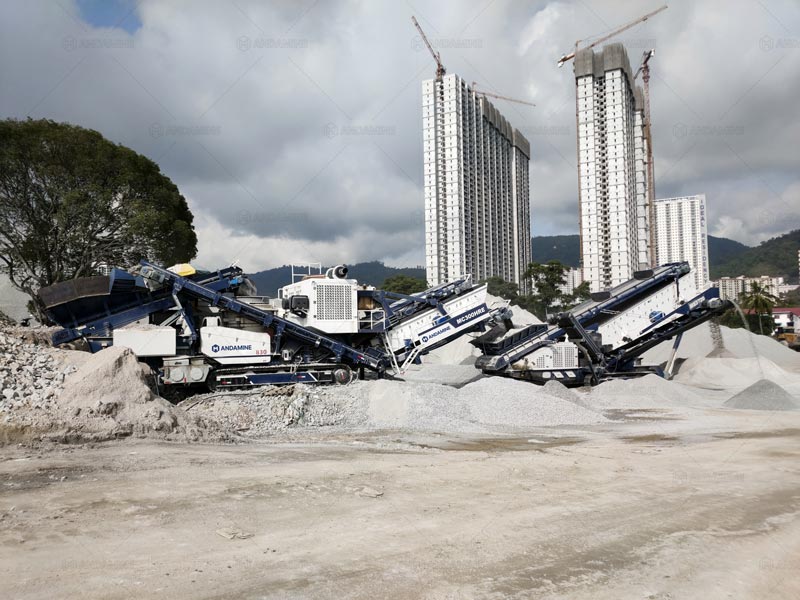
A mobile stone crusher(trituradora de piedra movil) provides unmatched capital flexibility. It can be deployed at a quarry in the first project phase, relocated to a dam construction site in the second phase, and finally used to support urban road rehabilitation. This multi-scenario utilization pattern dramatically improves asset turnover and shortens payback periods.
Risk Mitigation in Early Project Phases
For greenfield developments, traffic forecasts and material demand are often uncertain. Mobile systems reduce the risk of overinvestment. If a project is delayed or downsized, the equipment is not stranded but reassigned, preserving capital efficiency.
Price of Stone Crusher versus Market Volatility
Exchange Rates and Import Cycles
Latin American procurement teams must navigate exchange-rate fluctuations, customs duties, and shipping cycles. Strategic timing of equipment purchases during favorable currency windows can reduce the effective price of stone crusher by double digits, creating hidden value in long-term financial modeling.
Financing and Leasing Trends
Suppliers increasingly offer leasing, deferred payment, and output-linked financing. This aligns crusher acquisition with project cash flows, allowing contractors to treat equipment as a structured investment rather than a balance-sheet burden.
Technology as a Value Multiplier
Automation and Predictive Maintenance
Modern stone crusher plant designs incorporate intelligent control systems, vibration analysis, and wear-part life tracking. These features enable predictive maintenance, reducing unplanned downtime and improving throughput stability across multi-year operating cycles.
Energy Efficiency and Sustainability
Electric drive optimization and variable-frequency technology reduce energy consumption per ton. In regions with high electricity tariffs such as northern Chile, efficiency gains translate directly into measurable EBITDA improvements.
Aggregates Demand from Urbanization
Housing and Metropolitan Expansion
Urban growth around Lima, Bogotá, and São Paulo requires massive quantities of concrete, asphalt, and base materials. Every housing block, metro tunnel, or overpass embeds long-term demand for crushed stone, locking in baseline utilization for nearby crushing assets.
Industrial and Mining Infrastructure
Mining haul roads, tailings dams, and concentrator foundations are aggregate-intensive. Captive crushing systems ensure consistent quality while reducing dependence on third-party suppliers.
Lifecycle Return on Investment
Depreciation and Residual Value
After six to eight years of operation, a well-maintained mobile stone crusher still retains strong resale value in secondary markets. This residual value effectively lowers the net capital cost over the equipment lifecycle.
Strategic Positioning in the Supply Chain
Contractors owning a rock crusher(trituradora de rocas) move upstream in the materials value chain, capturing margins traditionally earned by quarry operators and material traders.
From Equipment Purchase to Strategic Investment
In today’s Latin American infrastructure boom, a stone crusher plant is not merely a production machine. It is a financial instrument, a risk management tool, and a strategic asset that underpins long-term competitiveness. The true value does not lie in the sticker price of stone crusher, but in decades of stable output, redeployment flexibility, and deep integration into the regional construction ecosystem.