
The selection of mobile chassis represents one of the most significant factors influencing the concrete boom pump price, creating substantial cost variations that reflect the engineering complexity, performance capabilities, and operational flexibility inherent in different transportation platforms for concrete boom pumps. When evaluating the total cost of concrete pump ownership, the chassis specification directly determines not only the initial acquisition expense but also long-term operational economics, maintenance requirements, and resale value potential across the spectrum of mobile concrete pump configurations available in the market. The fundamental relationship between chassis type and concrete boom pump price stems from the substantial engineering integration required to unite a sophisticated concrete pumping system with a vehicular platform capable of supporting both the static weight and dynamic operational forces generated during concrete placement. This integration challenge varies dramatically across different chassis categories, from standard commercial truck designs adapted for pumping duties to specialized carrier vehicles engineered specifically for concrete boom pumps with optimized weight distribution, stability characteristics, and power management systems. The resulting concrete boom pump price differentials reflect not only the physical chassis costs but also the research, development, and certification investments required to create safe, reliable, and efficient mobile concrete pump combinations that meet diverse operational requirements and regulatory standards across global markets. Understanding these chassis-related cost drivers provides essential context for equipment selection decisions, enabling informed evaluation of how specific chassis characteristics influence both the initial concrete boom pump price and the long-term economic performance of these substantial capital investments in concrete placement capability.
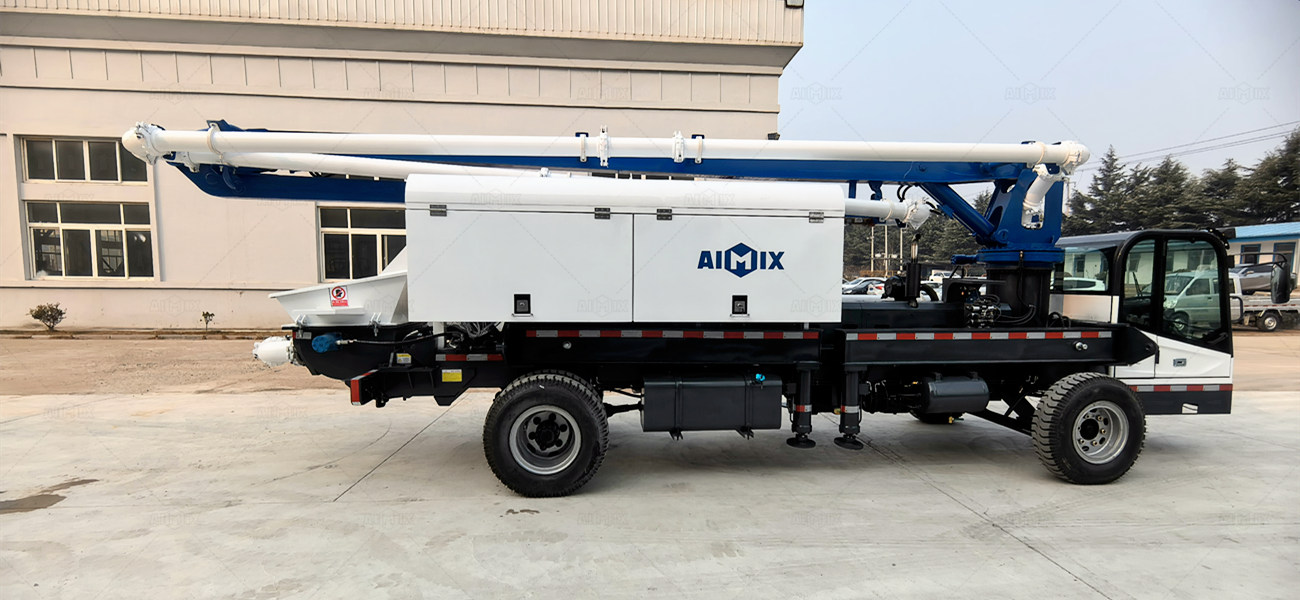
Commercial Truck Chassis and Cost Efficiency
The utilization of standard commercial truck chassis for concrete boom pumps represents the most economically accessible approach to mobile concrete placement, creating a lower entry point for the concrete boom pump price while introducing certain operational limitations that influence long-term value. When manufacturers base their mobile concrete pump designs on commercially available truck chassis from established automotive brands, they benefit from volume production economies that significantly reduce the chassis component of the overall concrete boom pump price compared to specialized carrier alternatives. This commercial chassis approach typically results in a concrete boom pump price that is 15-30% lower than equivalent pumps mounted on custom-designed carriers, creating an attractive option for contractors with budget constraints or those operating in markets where extreme performance specifications are unnecessary. The cost of concrete pump ownership with commercial chassis configurations extends beyond the initial concrete boom pump price to include familiar maintenance networks, readily available spare parts, and standardized service procedures that reduce long-term operating expenses compared to specialized carriers with more limited support infrastructure. However, this commercial chassis advantage in concrete boom pump price comes with corresponding limitations in pumping capacity, boom reach, and operational stability that restrict application to small and medium-scale projects where extreme reach or volume requirements don’t justify the premium concrete boom pump price of specialized carriers. The selection of commercial truck chassis for concrete boom pumps particularly suits regional contractors with consistent project types and established operational patterns that align with the performance envelope achievable within this more accessible concrete boom pump price category, demonstrating how chassis selection directly influences both equipment capabilities and economic accessibility within the mobile concrete pump market.
Specialized Carrier Chassis and Performance Premium
The implementation of purpose-engineered carrier chassis for high-capacity concrete boom pumps represents the premium segment of the market, where specialized engineering and performance optimization command a substantial increase in the concrete boom pump price that reflects advanced capabilities for demanding applications. Unlike commercial truck adaptations, these specialized carriers feature custom-designed frames with reinforced structures, multi-axle configurations with precise weight distribution, and integrated stability systems specifically engineered to support the substantial outrigger loads and dynamic forces generated by large concrete boom pumps during operation. This specialized engineering directly contributes to a higher concrete boom pump price through increased material costs, complex manufacturing processes, and significant research and development investments required to create chassis capable of safely supporting booms exceeding 60 meters in length and concrete outputs surpassing 200 cubic meters per hour. The cost of concrete pump ownership with specialized carriers extends beyond the elevated initial concrete boom pump price to include higher maintenance expenses, specialized service requirements, and potentially limited parts availability compared to commercial chassis alternatives, though these ongoing costs are typically justified by superior performance and reliability in demanding applications. The operational advantages of specialized carrier chassis include enhanced mobility on challenging job sites, superior stability during pumping operations, and optimized weight distribution that maximizes legal transport capacity while supporting substantial boom structures that would exceed the capabilities of commercial truck frames. This performance premium positions specialized carrier concrete boom pumps as essential tools for major construction projects where reach, output, and reliability requirements justify the substantial concrete boom pump price differential compared to commercial chassis alternatives, demonstrating how chassis specialization directly enables the extreme capabilities that define the premium segment of the mobile concrete pump market.
Multi-Axle Configurations and Load Distribution Systems
The specific axle configuration and load management systems incorporated into concrete boom pump chassis directly influence both the equipment’s operational capabilities and the resulting concrete boom pump price through complex engineering requirements and component costs. Basic mobile concrete pump designs typically utilize standard two or three-axle configurations derived from commercial truck platforms, providing adequate load distribution for smaller boom pumps while maintaining an accessible concrete boom pump price point suited to budget-conscious buyers. As boom length and pumping capacity increase, more sophisticated multi-axle chassis with four, five, or even six axles become necessary to distribute the substantial weight of both the equipment and the concrete being pumped while remaining within legal road transport limits, with each additional axle significantly increasing the concrete boom pump price through additional components, more complex steering systems, and enhanced structural requirements. The cost of concrete pump ownership with multi-axle configurations extends beyond the initial concrete boom pump price premium to include higher maintenance complexity, increased tire replacement costs, and potentially special permit requirements for road transportation that add operational expenses throughout the equipment’s service life. Advanced load management systems including equalizing suspensions, load-proportional steering, and weight-transfer technologies further contribute to the concrete boom pump price while providing essential operational benefits including enhanced stability during pumping, reduced ground pressure for operation on unprepared surfaces, and improved mobility across challenging terrain. These sophisticated chassis systems enable concrete boom pumps to achieve the extreme reaches and outputs required for major construction projects while maintaining transportability between sites, with the substantial concrete boom pump price increases for multi-axle configurations representing necessary investments in capability, safety, and regulatory compliance for equipment operating at the upper limits of mobile concrete pump performance.
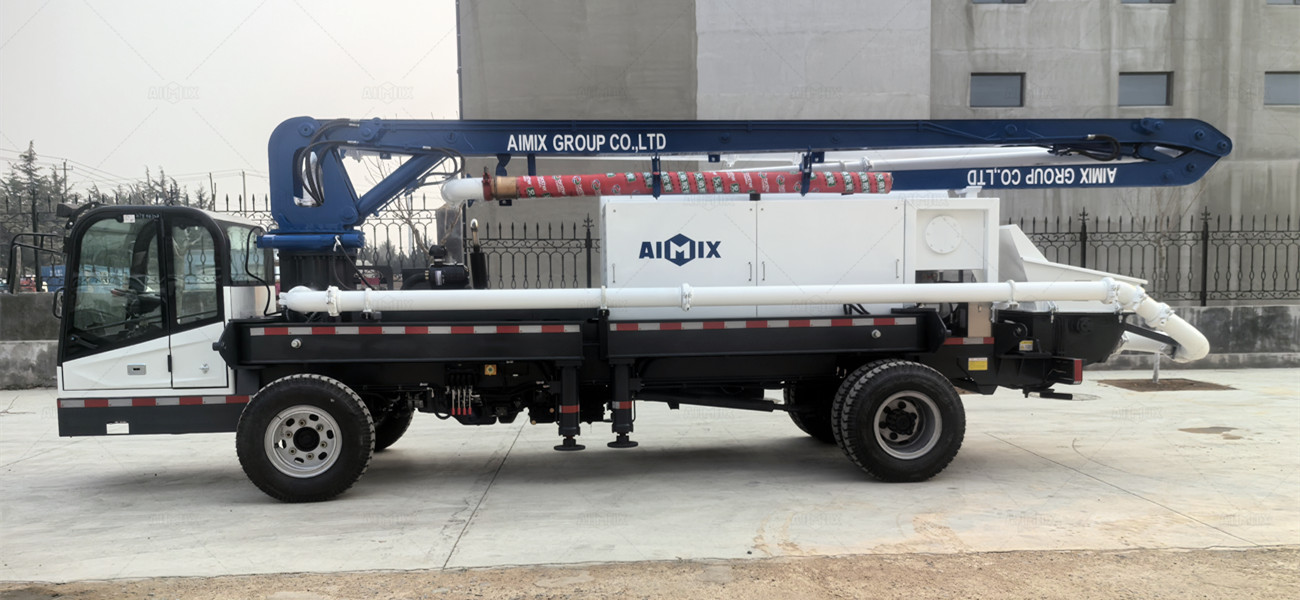
All-Terrain Capabilities and Specialized Mobility Features
The incorporation of all-terrain capabilities and specialized mobility features into concrete boom pump chassis represents a significant cost driver that substantially influences the concrete boom pump price while expanding operational flexibility across diverse job site conditions. Standard mobile concrete pump configurations based on commercial truck chassis typically prioritize road mobility and on-highway performance, resulting in a more accessible concrete boom pump price but limiting operation to prepared surfaces with adequate load-bearing capacity and minimal terrain challenges. In contrast, all-terrain concrete boom pumps feature enhanced chassis designs with features such as multiple driven axles with differential lock systems, advanced suspension with increased ground clearance, and sophisticated traction control systems that enable operation on unprepared surfaces, soft ground, and challenging terrain conditions encountered on complex construction sites. These specialized mobility features directly increase the concrete boom pump price through additional drivetrain components, enhanced structural requirements, and complex control systems that add both manufacturing costs and engineering development expenses to the final equipment price. The cost of concrete pump ownership with all-terrain capabilities extends beyond the initial concrete boom pump price premium to include higher maintenance requirements for complex drivetrain systems, increased fuel consumption from additional driven axles, and specialized operator training needs to fully utilize the enhanced mobility features in challenging conditions. Despite these cost implications, all-terrain chassis configurations provide substantial operational value for contractors working across diverse site conditions where access limitations would otherwise prevent concrete boom pump deployment, justifying the elevated concrete boom pump price through expanded application opportunities and reduced dependency on site preparation for equipment positioning. This specialized mobility capability demonstrates how chassis design directly influences both the operational flexibility and economic positioning of mobile concrete pump equipment within the construction market, with all-terrain configurations commanding premium pricing that reflects their enhanced capabilities beyond standard road-oriented designs.
Engine Configuration and Power Management Systems
The propulsion system and power management architecture integrated into concrete boom pump chassis significantly influence the concrete boom pump price through varying complexity, performance capabilities, and regulatory compliance requirements across different market segments. Standard mobile concrete pump configurations typically utilize single diesel engines that power both the carrier vehicle and the concrete pumping system through power take-off arrangements, creating a cost-efficient approach that minimizes the concrete boom pump price while providing adequate performance for typical applications. More sophisticated concrete boom pumps feature separate engine configurations with dedicated power plants for vehicular mobility and concrete pumping operations, eliminating the need for complex power transfer systems while providing independent performance optimization for each function, with this engineering enhancement substantially increasing the concrete boom pump price through duplicate engine systems, enhanced structural requirements, and more complex control integration. The cost of concrete pump ownership varies significantly between these power system approaches, with single-engine configurations offering lower initial concrete boom pump price and potentially reduced maintenance complexity, while separate engine systems provide operational advantages including independent optimization of travel and pumping performance, enhanced reliability through system redundancy, and flexibility to meet diverse emissions regulations across different operational phases. Advanced power management systems further influence the concrete boom pump price through sophisticated electronic controls that optimize energy utilization, reduce fuel consumption, and enhance operational efficiency, with these technological features adding cost while delivering economic benefits throughout the equipment’s service life. The ongoing evolution of emissions regulations additionally impacts chassis-related costs for mobile concrete pump equipment, with advanced aftertreatment systems and engine management technologies required to meet increasingly stringent standards worldwide, contributing to concrete boom pump price increases that reflect regulatory compliance investments necessary for market access across different regions with varying environmental requirements.
Regulatory Compliance and Certification Requirements
The regulatory landscape governing heavy mobile equipment directly influences concrete boom pump chassis design and consequently impacts the concrete boom pump price through compliance requirements that vary across international markets and application environments. Standard mobile concrete pump configurations designed for general construction applications must meet baseline regulatory standards for road transportation, equipment safety, and environmental performance, with these compliance costs incorporated into the fundamental concrete boom pump price structure for equipment targeting broad market distribution. Specialized concrete boom pumps designed for specific regulatory environments such as European CE standards, North American DOT regulations, or emerging market requirements incorporate additional engineering features, certification processes, and documentation systems that increase the concrete boom pump price while ensuring legal operation within targeted jurisdictions. The cost of concrete pump compliance extends beyond the initial concrete boom pump price to include ongoing certification maintenance, periodic inspections, and potential modification requirements as regulations evolve throughout the equipment’s operational life, creating long-term compliance expenses that vary significantly between chassis types and market applications. Regional variations in transportation regulations particularly influence chassis design and associated concrete boom pump price, with factors such as allowable dimensions, weight distributions, axle loading limits, and braking requirements dictating specific engineering solutions that increase complexity and cost for equipment intended to operate across multiple regulatory environments. Additionally, specialized applications such as mining, tunnel construction, or industrial facilities may require concrete boom pumps with chassis certifications for specific operational environments, with these specialized compliance requirements further increasing the concrete boom pump price through additional engineering, testing, and documentation processes necessary to meet application-specific standards. This regulatory dimension demonstrates how chassis-related compliance costs significantly influence both the initial concrete boom pump price and long-term operational economics, with sophisticated mobile concrete pump designs incorporating substantial regulatory investments that enable legal operation across diverse markets and applications while ensuring safety and environmental performance meets contemporary standards.